Wabi Sabi: The Japanese Art of Impermanence


Wabi Sabi: The Japanese Art of Impermanence
Wabi Sabi: The Japanese Art of Impermanence
Member Benefits
 30% Off All Books - Savings that support storytellers, not stock prices.
 Fight Book Bans - Every membership sends a book to LGBTQ+ youth in affected states.


Member Book Price
$12.95
$9.07
Couldn't load pickup availability
Description
Description
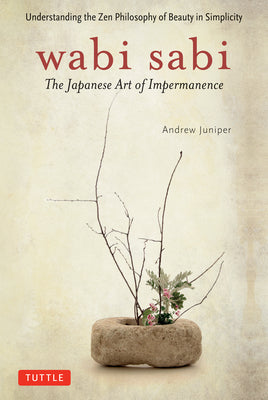
Developed out of the aesthetic philosophy of cha-no-yu (the tea ceremony) in fifteenth-century Japan, wabi sabi is an aesthetic that finds beauty in things imperfect, impermanent, and incomplete. Taken from the Japanese words wabi, which translates to less is more, and sabi, which means attentive melancholy, wabi sabi refers to an awareness of the transient nature of earthly things and a corresponding pleasure in the things that bear the mark of this impermanence. As much a state of mind--an awareness of the things around us and an acceptance of our surroundings--as it is a design style, wabi sabi begs us to appreciate the pure beauty of life--a chipped vase, a quiet rainy day, the impermanence of all things. Presenting itself as an alternative to today's fast-paced, mass-produced, neon-lighted world, wabi sabi reminds us to slow down and take comfort in the natural beauty around us. In addition to presenting the philosophy of wabi-sabi, this book includes how-to design advice--so that a transformation of body, mind, and home can emerge. Chapters include:
- History: The Development of Wabi Sabi
- Culture: Wabi Sabi and the Japanese Character
- Art: Defining Aesthetics
- Design: Creating Expressions with Wabi Sabi Materials
- Spirit: The Universal Spirit of Wabi Sabi
About the Author
About the Author
Andrew Juniper provides a fascinating explanation of wabi sabi, taking the reader from the art's fifteenth-century Japanese origins to its modern-day practical applications. The book is peppered with photographs and illustrations that demonstrate how wabi sabi can help provide an alternative to the fast-paced, mass-produced, neon-lit world of today. He lives in Sussex, England where he runs the Wabi-Sabi Art Gallery.
Critical Reviews
Critical Reviews
"A rich read detailing the history, art, culture, design, and spiritual aspects of all things wabi sabi. Explains it deeply and accessibly at the same time." --Chicago Tribune
"For the majority of Japanese, traditional Japanese culture is a lot like fishing. Everyone has fished, but not everyone is a fisherman. Only a few can tell you what every lure, bobber, and fly in a tackle box is. Even less could use them. The fact is, after reading this book, you'll understand both wabi sabi and Zen Buddhism better than 99.99% of the Japanese population." -- Introvert Japan
Publishing Information
Publishing Information
Publisher:
Tuttle Publishing
Pub date:
2003-11-15
Length:
165 pages
The Allstora Membership
Membership Perks:
- Save 30% on all online store purchases
- Exclusive access to author's content
- You pay less, but authors still earn double
Membership Terms:
First Month:
$0.00
Monthly price:
$5.00
- To access membership discount simply log in and add to cart, discount applied automatically.
- One month free trial, cancel anytime. Membership renews on the 15th of each month.